The Power of Positive Thinking and Health
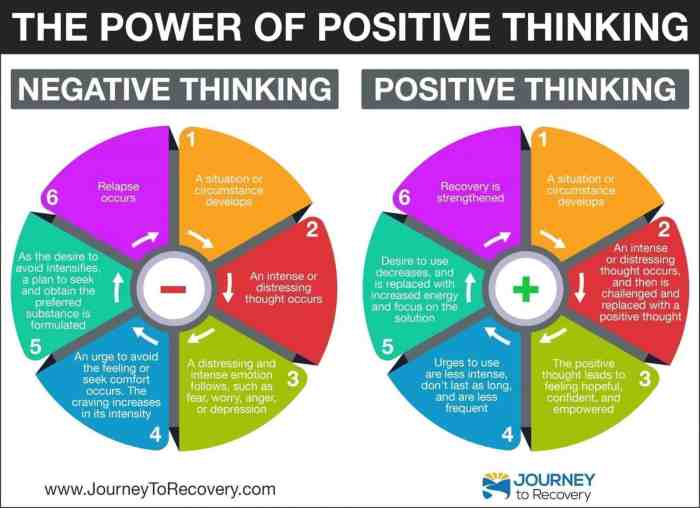
The Power of Positive Thinking and Health explores the profound connection between our mental state and physical well-being. This exploration delves into the scientific evidence supporting the positive impact of optimism, mindfulness, and stress reduction on various aspects of health, from disease prevention to improved sleep quality. We’ll examine how cultivating a positive mindset can influence lifestyle choices, bolster resilience, and enhance overall wellness.
This journey will cover practical strategies for incorporating positive thinking into daily life, including mindful eating, effective stress management techniques, and the role of technology in supporting mental well-being. We will also consider the ethical implications and current trends in this rapidly evolving field, providing a comprehensive overview of the power of positive thinking to transform your health.
The Mind-Body Connection in Health
The intricate relationship between our minds and bodies profoundly impacts our overall health and well-being. Positive thinking, stress management, and mindfulness practices demonstrably influence physiological processes, affecting everything from our immune response to our cardiovascular function and pain perception. This section will explore the scientific basis for these connections.
Physiological Effects of Positive Thinking on the Immune System
Positive thinking is associated with enhanced immune function. Studies have shown that optimistic individuals tend to have higher levels of certain immune cells, such as natural killer (NK) cells, which play a crucial role in fighting off infections and cancer cells. Conversely, chronic negative emotions like stress and anxiety can suppress immune activity, making individuals more susceptible to illness.
The mechanism behind this involves the hypothalamic-pituitary-adrenal (HPA) axis, which, when chronically activated by stress, releases cortisol. While cortisol has short-term benefits in managing stress, prolonged exposure can impair immune function. In contrast, positive emotions stimulate the release of endorphins and other neurochemicals that support immune system health.
Impact of Stress Reduction Techniques on Cardiovascular Health
Chronic stress significantly contributes to cardiovascular disease. Elevated levels of cortisol and adrenaline, released during the stress response, increase blood pressure and heart rate, placing extra strain on the heart and blood vessels. Stress reduction techniques, such as yoga, meditation, and deep breathing exercises, have been shown to lower blood pressure, reduce heart rate variability, and improve overall cardiovascular health.
These techniques activate the parasympathetic nervous system, counteracting the effects of the sympathetic nervous system, which is responsible for the “fight-or-flight” response. Regular practice of these techniques helps regulate the body’s stress response, promoting cardiovascular well-being.
Role of Mindfulness in Managing Chronic Pain
Mindfulness practices, which involve paying attention to the present moment without judgment, have shown promise in managing chronic pain. Mindfulness-based interventions help individuals to become more aware of their pain sensations without getting caught up in negative emotional responses or catastrophic thinking. By shifting attention away from the pain and focusing on the present moment, individuals can reduce the intensity of their pain experience and improve their overall quality of life.
Studies suggest that mindfulness may alter brain activity in regions associated with pain processing, leading to reduced pain perception and improved coping mechanisms.
Effects of Positive and Negative Thinking on Sleep Quality
| Factor | Positive Thinking | Negative Thinking | Description |
|---|---|---|---|
| Sleep Onset | Faster | Slower | Positive thoughts promote relaxation, facilitating quicker sleep onset. Negative thoughts can lead to racing minds and insomnia. |
| Sleep Depth | Deeper | Lighter | Positive emotions are associated with deeper, more restorative sleep. Negative emotions can disrupt sleep cycles, resulting in lighter, less restful sleep. |
| Sleep Duration | Longer | Shorter | Positive mindset contributes to longer, uninterrupted sleep. Negative thoughts and worries often lead to frequent awakenings and shorter sleep duration. |
| Sleep Quality | Higher | Lower | Overall, positive thinking is linked to improved sleep quality, characterized by fewer awakenings and more restorative sleep. Negative thinking impairs sleep quality, leading to daytime fatigue and reduced cognitive function. |
Positive Thinking and Disease Prevention: The Power Of Positive Thinking And Health
A growing body of research suggests a strong correlation between positive thinking and a reduced risk of developing various diseases. While positive thinking isn’t a cure-all, it acts as a powerful tool that can significantly contribute to overall well-being and disease prevention by influencing lifestyle choices and bolstering the immune system. This section explores the multifaceted relationship between optimism and disease prevention, highlighting the role of self-efficacy in maintaining healthy habits.Optimism and Reduced Disease Risk are linked through several pathways.
Studies indicate that optimists tend to experience lower levels of stress hormones like cortisol, which are linked to chronic inflammation and increased susceptibility to illnesses such as cardiovascular disease and certain cancers. Furthermore, a positive outlook is often associated with healthier coping mechanisms during stressful situations, reducing the negative impact of stress on the body. For instance, individuals with a more optimistic outlook may be more likely to engage in proactive health behaviors, even in the face of adversity, further reducing their risk of developing chronic illnesses.
Positive Thinking’s Influence on Healthy Lifestyle Choices
Positive thinking fosters proactive health behaviors. Individuals who view themselves as capable of making positive changes (high self-efficacy) are more likely to adopt and maintain healthy lifestyles. For example, someone with a positive outlook on their ability to quit smoking might be more successful in their cessation efforts compared to someone who feels hopeless about quitting. Similarly, an optimistic perspective on the benefits of regular exercise can motivate individuals to establish and maintain a consistent workout routine.
This positive self-belief translates into tangible actions, leading to improved health outcomes. Positive thinking also promotes better adherence to medical advice and prescribed treatments. A belief in one’s ability to manage a health condition fosters better compliance with medication schedules and recommended lifestyle changes, ultimately improving health outcomes.
The Role of Self-Efficacy in Preventive Healthcare
Self-efficacy, the belief in one’s own ability to succeed in specific situations, plays a crucial role in adherence to preventive healthcare measures. Individuals with high self-efficacy are more likely to schedule regular check-ups, get vaccinated, and engage in preventative screenings, such as mammograms or colonoscopies. Conversely, low self-efficacy can lead to procrastination or avoidance of these crucial steps, potentially increasing the risk of late diagnosis and poorer health outcomes.
For instance, someone with high self-efficacy regarding managing their diabetes might be more likely to diligently monitor their blood sugar levels and follow their prescribed diet and exercise plan.
Infographic: Positive Thinking and Disease Prevention
The infographic would visually depict the interconnectedness between positive thinking and disease prevention. The central image could be a vibrant, healthy human figure, radiating positive energy. Arrows would emanate from this figure, leading to various boxes representing aspects of health and well-being. One arrow would lead to a box illustrating “Reduced Stress,” showing a relaxed figure contrasted with a stressed one.
Another arrow would point to a box titled “Healthy Lifestyle Choices,” depicting icons of exercise, healthy food, and adequate sleep. A third arrow would connect to “Stronger Immune System,” illustrated by microscopic images of healthy immune cells. A fourth arrow would lead to a box labeled “Increased Self-Efficacy,” showcasing a person confidently achieving a health goal. Finally, a large box encompassing all the others would read “Reduced Risk of Chronic Diseases,” featuring icons representing common preventable illnesses like heart disease, certain cancers, and diabetes.
The overall color scheme would be bright and optimistic, using calming and uplifting colors. The design would be clear, concise, and easy to understand, highlighting the positive reinforcement loop between positive thinking and improved health outcomes.
Positive Thinking and Holistic Health
Positive thinking, when integrated into a holistic wellness plan, acts as a powerful catalyst for improved physical and mental well-being. It’s not simply about ignoring challenges; rather, it’s about cultivating a mindset that allows you to navigate difficulties with resilience and optimism, fostering a stronger mind-body connection and ultimately enhancing your overall health. This approach recognizes the interconnectedness of physical, mental, emotional, and spiritual aspects of well-being.
Strategies for Incorporating Positive Thinking into Holistic Wellness
Incorporating positive thinking into a holistic wellness plan requires a multifaceted approach. It involves consciously choosing thoughts and actions that support your overall well-being. This includes actively practicing gratitude, focusing on strengths, reframing negative thoughts, and engaging in activities that promote joy and relaxation. Regular mindfulness practices, such as meditation or deep breathing exercises, can significantly enhance this process by increasing self-awareness and promoting emotional regulation.
Setting realistic goals and celebrating small victories along the way also helps build momentum and maintain a positive outlook. Finally, seeking support from a therapist or counselor can provide valuable tools and guidance for developing and maintaining a positive mindset.
Comparison of Stress Management Approaches within a Holistic Framework
Holistic stress management encompasses various techniques that address the interconnectedness of mind, body, and spirit. Traditional approaches like cognitive behavioral therapy (CBT) focus on identifying and changing negative thought patterns. Mindfulness-based stress reduction (MBSR) emphasizes present moment awareness to reduce stress reactivity. Yoga and Tai Chi combine physical postures, breathing techniques, and meditation to promote relaxation and balance.
Each approach offers unique benefits; CBT is effective for cognitive restructuring, MBSR for cultivating awareness, and Yoga/Tai Chi for integrating physical and mental well-being. The most effective approach often depends on individual preferences and needs, with many finding benefit in combining several techniques.
Key Principles of Holistic Health and Alignment with Positive Thinking
Holistic health emphasizes the interconnectedness of physical, mental, emotional, and spiritual well-being. Positive thinking aligns seamlessly with this philosophy by promoting a sense of inner peace and resilience. Key principles like self-awareness, self-acceptance, and personal responsibility are all fostered by a positive mindset. When we approach challenges with optimism, we are better equipped to make healthy choices, manage stress effectively, and cultivate stronger relationships—all integral components of holistic health.
Furthermore, a positive attitude can boost the immune system and improve overall physical health, further reinforcing the mind-body connection.
Healthy Living Tips Emphasizing the Mind-Body Connection
The following healthy living tips highlight the importance of nurturing the mind-body connection:
- Practice daily mindfulness meditation, even for just 5-10 minutes.
- Engage in regular physical activity that you enjoy, such as walking, yoga, or dancing.
- Prioritize sleep hygiene; aim for 7-9 hours of quality sleep each night.
- Maintain a balanced and nutritious diet rich in fruits, vegetables, and whole grains.
- Cultivate strong social connections and spend time with loved ones.
- Engage in creative activities that bring you joy and relaxation, such as painting, writing, or playing music.
- Practice gratitude by regularly reflecting on things you are thankful for.
- Learn to manage stress through techniques like deep breathing or progressive muscle relaxation.
- Set realistic goals and celebrate your accomplishments, no matter how small.
- Spend time in nature; studies show that exposure to nature reduces stress and improves mood.
Nutrition, Diet, and Positive Thinking
Positive thinking significantly impacts our dietary choices and overall eating habits. A positive mindset fosters a proactive approach to nutrition, leading to healthier food selections and improved adherence to dietary plans. Conversely, negative thoughts and feelings can lead to emotional eating and unhealthy food choices, hindering weight management and overall well-being. This section explores the interplay between positive thinking, mindful eating, and successful weight management.Positive thinking influences food choices by fostering a sense of self-efficacy and control.
Individuals with a positive outlook are more likely to believe they can make healthy food choices and stick to their dietary plans. This belief empowers them to resist unhealthy temptations and make conscious decisions that align with their health goals. Conversely, negative self-talk and feelings of helplessness can lead to impulsive choices and derail dietary efforts.
Mindful Eating Practices Enhance Nutritional Impact
Mindful eating involves paying close attention to the physical sensations of eating, savoring the flavors and textures of food, and being present in the moment without distractions. This practice cultivates a more conscious relationship with food, reducing the likelihood of overeating and promoting healthier food choices. By focusing on the experience of eating, individuals can better identify their hunger and fullness cues, leading to improved portion control and a greater appreciation for nutritious foods.
Mindful eating also helps reduce stress and emotional eating, two major factors that often contribute to unhealthy dietary habits. For example, instead of mindlessly consuming a bag of chips while watching television, a mindful eater would take the time to savor each chip, noticing its taste and texture, and being fully present in the experience. This conscious approach helps to prevent overconsumption and promotes a healthier relationship with food.
Positive Self-Talk Supports Weight Management
Positive self-talk plays a crucial role in achieving weight management goals. Replacing negative thoughts like “I’ll never lose weight” with positive affirmations such as “I am making healthy choices and progressing towards my goals” can significantly impact motivation and adherence to a weight loss plan. Positive self-talk builds self-confidence and resilience, enabling individuals to overcome setbacks and stay committed to their health goals.
For instance, instead of focusing on a momentary lapse in their diet, individuals can use positive self-talk to remind themselves of their overall progress and recommit to their healthy eating plan. This approach fosters a more supportive and encouraging internal dialogue, promoting perseverance and long-term success.
Sample Weekly Meal Plan
This sample weekly meal plan incorporates principles of positive nutrition and mindful eating. It emphasizes whole, unprocessed foods, balanced meals, and mindful consumption. Remember to adjust portion sizes based on individual needs and caloric goals.
| Day | Breakfast | Lunch | Dinner |
|---|---|---|---|
| Monday | Oatmeal with berries and nuts | Salad with grilled chicken or fish | Baked salmon with roasted vegetables |
| Tuesday | Greek yogurt with fruit and granola | Leftover salmon and vegetables | Lentil soup with whole-wheat bread |
| Wednesday | Scrambled eggs with spinach and whole-wheat toast | Turkey and avocado sandwich on whole-wheat bread | Chicken stir-fry with brown rice |
| Thursday | Smoothie with fruits, vegetables, and protein powder | Leftover chicken stir-fry | Vegetarian chili with cornbread |
| Friday | Whole-wheat pancakes with fruit | Tuna salad sandwich on whole-wheat bread | Pizza with whole-wheat crust and plenty of vegetables |
| Saturday | Breakfast burrito with eggs, beans, and vegetables | Large salad with grilled tofu or chickpeas | Homemade pasta with marinara sauce and vegetables |
| Sunday | French toast made with whole-wheat bread | Leftover pasta | Roast chicken with sweet potatoes and green beans |
Positive Thinking and Wellness Coaching
Wellness coaching leverages the power of positive thinking to help individuals achieve their health and well-being goals. It recognizes the profound impact of mindset on physical and mental health, guiding clients to cultivate a more optimistic and resilient outlook. This approach moves beyond simply addressing symptoms and delves into the underlying beliefs and thought patterns that influence overall health.
How Wellness Coaches Cultivate Positive Thinking in Clients
Wellness coaches employ various techniques to help clients cultivate positive thinking. These include cognitive restructuring, where negative thought patterns are identified and challenged with more balanced and realistic perspectives. They also utilize mindfulness practices, such as meditation and deep breathing exercises, to increase self-awareness and reduce stress, fostering a more positive mental state. Furthermore, coaches encourage gratitude journaling and positive affirmations to reinforce positive self-perception and build self-esteem.
Visualization techniques are also used, helping clients mentally rehearse positive outcomes and build confidence in their ability to achieve their goals. The process is tailored to the individual’s needs and preferences, ensuring a personalized approach to fostering positive thinking.
Techniques for Promoting Positive Self-Perception
Promoting positive self-perception is a cornerstone of wellness coaching. Coaches help clients identify and challenge negative self-talk, replacing it with self-compassion and positive self-statements. They encourage clients to focus on their strengths and accomplishments, celebrating successes, no matter how small. Setting realistic and achievable goals contributes significantly to building self-efficacy and a sense of accomplishment. Coaches also facilitate activities that promote self-discovery and self-acceptance, helping clients understand and appreciate their unique qualities and values.
This may involve exploring personal values, identifying personal strengths through assessments, or engaging in activities that foster self-expression and creativity.
Integrating Positive Thinking into Goal Setting and Achievement
Positive thinking is integral to effective goal setting and achievement within a wellness coaching framework. Coaches work with clients to define SMART goals (Specific, Measurable, Achievable, Relevant, and Time-bound) that align with their values and aspirations. They then guide clients to visualize themselves achieving these goals, fostering a sense of belief and commitment. Obstacles and setbacks are viewed not as failures, but as opportunities for learning and growth, reinforcing resilience and a positive outlook.
Regular check-ins and progress reviews reinforce positive reinforcement and maintain momentum towards achieving the defined goals. Celebrating milestones along the way further strengthens positive self-perception and motivation.
A Series of Coaching Sessions Focused on Building Resilience Through Positive Thinking
A structured approach to building resilience through positive thinking can be highly effective. The following Artikels a possible series of coaching sessions:
- Session 1: Identifying Negative Thought Patterns and Beliefs: This session focuses on self-awareness, helping clients identify their negative thought patterns and underlying beliefs. Techniques like journaling and guided reflection are used.
- Session 2: Cognitive Restructuring and Challenging Negative Thoughts: Clients learn techniques to challenge and reframe negative thoughts, replacing them with more balanced and positive perspectives. Role-playing and cognitive reframing exercises are employed.
- Session 3: Mindfulness and Stress Management: This session introduces mindfulness practices like meditation and deep breathing to manage stress and cultivate a sense of calm. Clients learn to be present in the moment and reduce reactivity to stressful situations.
- Session 4: Setting Realistic Goals and Building Self-Efficacy: Clients learn to set SMART goals and develop strategies for achieving them. Visualization techniques and positive self-talk are practiced to build self-belief and confidence.
- Session 5: Building Resilience Through Positive Self-Talk and Affirmations: Clients learn to use positive self-talk and affirmations to build resilience in the face of setbacks and challenges. They develop coping mechanisms for dealing with difficult emotions and situations.
- Session 6: Maintaining Positive Thinking and Long-Term Well-being: This session focuses on strategies for maintaining positive thinking and integrating these practices into daily life. Clients develop a personalized plan for ongoing self-care and resilience building.
Technology and Apps Supporting Positive Thinking
The increasing accessibility of technology has opened up new avenues for cultivating positive thinking and improving mental well-being. Numerous apps and digital tools now offer guided meditations, mindfulness exercises, and positive affirmation techniques, making self-improvement more convenient and accessible than ever before. This section will explore the landscape of these technologies, highlighting their benefits, limitations, and considerations for selection.
Examples of Health Technology and Apps Promoting Positive Thinking
Many apps are designed to help users cultivate positive thinking habits. These range from simple journaling apps that encourage reflection on positive experiences to sophisticated programs offering personalized guided meditations and cognitive behavioral therapy (CBT) techniques. Examples include Headspace, Calm, and Insight Timer, which offer a variety of guided meditations focusing on stress reduction, mindfulness, and emotional regulation.
Other apps, such as Daylio and Moodpath, focus on mood tracking and journaling, allowing users to identify patterns and triggers related to their emotional states. Finally, apps like ThinkUp utilize positive affirmations to reinforce positive self-talk and build self-esteem.
Potential Benefits and Limitations of Using Technology to Foster Positive Thinking
Technology offers several advantages in promoting positive thinking. Accessibility is a key benefit; these apps can be used anytime, anywhere, making self-care practices more readily integrated into daily life. Personalized programs can tailor interventions to individual needs and preferences, enhancing engagement and effectiveness. Furthermore, data tracking features within some apps allow users to monitor their progress and identify areas for improvement.
However, limitations exist. Over-reliance on technology can hinder the development of independent self-regulation skills. The accuracy and efficacy of some apps may vary, and the potential for biased algorithms or inaccurate information needs careful consideration. Finally, privacy concerns regarding data collection and usage should be addressed.
Comparison of Apps Focusing on Mindfulness, Meditation, or Positive Affirmations
Mindfulness apps like Headspace and Calm primarily utilize guided meditations and mindfulness exercises to promote present moment awareness and stress reduction. Meditation apps often incorporate features like sleep soundscapes and breathing exercises. Positive affirmation apps, such as ThinkUp, focus on repeating positive statements to counter negative self-talk and build self-esteem. The effectiveness of each approach varies depending on individual preferences and needs.
Some users may find guided meditations more effective, while others may benefit more from the focused repetition of positive affirmations. Many apps combine elements of both approaches, offering a holistic approach to positive thinking.
Guide for Selecting Appropriate Health Apps Supporting Positive Thinking
Choosing the right app requires careful consideration of individual needs and preferences. Prioritize apps with a clear focus on positive thinking and mental well-being, avoiding those with unsubstantiated claims or misleading information. Check user reviews and ratings to gauge the app’s overall effectiveness and user experience. Consider the app’s features, such as personalized programs, progress tracking, and integration with other health platforms.
Finally, review the app’s privacy policy to ensure your data is handled securely and responsibly. It’s also beneficial to consider if the app aligns with your personal values and beliefs, promoting a sense of comfort and trust in the application’s methods.
Health News and Trends Related to Positive Thinking
The burgeoning field of psychoneuroimmunology continues to reveal fascinating connections between our mental states and physical health, fueling a growing interest in the role of positive thinking in overall well-being. Current health news and trends reflect this increasing awareness, highlighting the impact of mindset on disease prevention, treatment, and recovery. This section explores some key developments and their implications.
The Rise of Mindfulness and Positive Psychology Interventions in Healthcare, The Power of Positive Thinking and Health
Mainstream healthcare is increasingly incorporating mindfulness-based stress reduction (MBSR) and other positive psychology interventions into treatment plans for various conditions, from chronic pain to cardiovascular disease. Studies consistently demonstrate the effectiveness of these techniques in reducing stress hormones, improving immune function, and promoting a sense of well-being. For instance, a meta-analysis published in theJournal of Consulting and Clinical Psychology* showed significant reductions in anxiety and depression symptoms among participants who engaged in mindfulness-based interventions.
This integration represents a shift towards a more holistic approach to healthcare that acknowledges the mind-body connection.
Social Media’s Influence on the Dissemination of Positive Thinking
Social media platforms have become powerful tools for disseminating information about positive thinking and its purported benefits. While this widespread access can be beneficial, fostering a sense of community and providing readily available resources, it also presents challenges. The proliferation of unqualified advice and potentially misleading information necessitates critical evaluation of online content. Furthermore, the curated nature of social media can create unrealistic expectations and potentially exacerbate feelings of inadequacy among users who compare their lives to idealized portrayals of well-being.
Responsible content creation and media literacy are crucial to mitigate these risks.
Ethical Considerations in Promoting Positive Thinking in Healthcare
The promotion of positive thinking in healthcare raises important ethical considerations. It is crucial to avoid the pitfalls of “blaming the victim” by suggesting that individuals are solely responsible for their illnesses due to a lack of positive thinking. Healthcare professionals must maintain a balanced approach, acknowledging the complex interplay of genetic, environmental, and psychosocial factors contributing to health outcomes.
Furthermore, the potential for coercion or pressure to adopt positive thinking practices should be carefully considered, ensuring patient autonomy and informed consent are prioritized. Open and honest communication about the limitations of positive thinking as a sole treatment modality is essential.
Recent Research Findings on Positive Thinking and Health
Recent research continues to support the link between positive emotions and improved health outcomes. Studies have shown correlations between optimism, gratitude, and reduced risk of cardiovascular disease, improved immune function, and faster recovery from illness. For example, research published in thePsychosomatic Medicine* journal indicated a significant association between higher levels of optimism and a lower risk of developing coronary heart disease.
However, it’s important to note that correlation does not equal causation, and further research is needed to fully elucidate the mechanisms underlying these relationships. Ongoing studies are exploring the potential role of positive emotions in influencing gene expression and cellular processes, offering promising avenues for future therapeutic interventions.
In conclusion, the evidence overwhelmingly supports the transformative power of positive thinking on health. By actively cultivating optimism, practicing mindfulness, and employing effective stress management techniques, individuals can significantly improve their physical and mental well-being. Embracing a holistic approach that integrates positive thinking with healthy lifestyle choices offers a powerful pathway to a healthier, more fulfilling life. The journey towards positive thinking is a continuous process, but the rewards – a healthier, happier you – are well worth the effort.
FAQ Insights
Can positive thinking cure diseases?
While positive thinking isn’t a cure-all, it can significantly contribute to better health outcomes by reducing stress, improving immune function, and promoting healthier lifestyle choices, thus potentially mitigating the risk or impact of certain diseases.
How long does it take to see results from practicing positive thinking?
The timeframe varies greatly depending on individual commitment and the techniques employed. Some individuals experience noticeable improvements relatively quickly, while others may require more time and consistent effort. Consistency is key.
Is positive thinking just about ignoring negative emotions?
No, it’s not about suppressing negative emotions but about acknowledging them, processing them healthily, and reframing negative thoughts into more constructive and empowering ones. It’s about building resilience.
What if I struggle to maintain a positive mindset?
It’s a normal part of the process. Seek support from friends, family, or a mental health professional. Practice self-compassion and remember that progress, not perfection, is the goal. Consistent effort leads to improvement.