Mobile Health Platforms A Comprehensive Overview
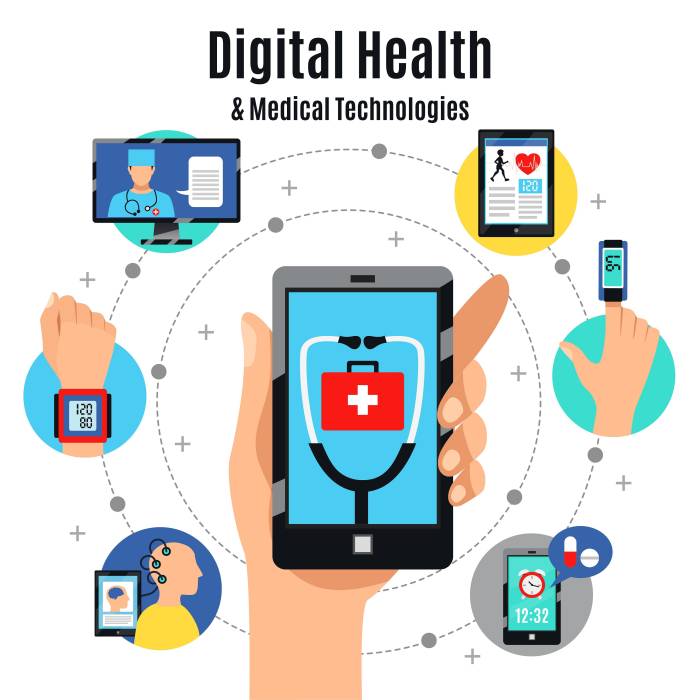
Mobile Health Platforms are revolutionizing healthcare delivery, offering unprecedented accessibility and convenience. From telehealth consultations to personalized fitness tracking, these platforms empower individuals to take control of their well-being. This exploration delves into the market landscape, technological advancements, and ethical considerations surrounding this rapidly evolving field, highlighting both the transformative potential and the inherent challenges.
This examination will cover the diverse functionalities of mobile health platforms, their impact on healthcare accessibility and efficiency, and the future trends shaped by emerging technologies like AI and IoT. We will also address crucial ethical considerations, such as data privacy and algorithmic bias, to ensure responsible innovation and implementation.
Ethical and Regulatory Considerations
Mobile health (mHealth) platforms offer immense potential for improving healthcare access and outcomes. However, their rapid growth necessitates careful consideration of ethical and regulatory implications to ensure responsible innovation and patient safety. Failure to address these issues could erode public trust and hinder the widespread adoption of these beneficial technologies.Data Privacy and Informed Consent are paramount. The collection, storage, and use of sensitive health data through mHealth platforms raise significant privacy concerns.
Users must be fully informed about how their data will be used, and their consent must be freely given, specific, informed, and unambiguous. This requires clear and accessible privacy policies, robust data security measures, and mechanisms for individuals to access, correct, and delete their data. Algorithmic bias, where algorithms used in mHealth platforms perpetuate existing societal biases, leading to unfair or discriminatory outcomes, presents another critical ethical challenge.
For example, an algorithm trained on data primarily from one demographic group might inaccurately predict health risks or treatment outcomes for other groups.
Data Privacy and Security
Protecting user data is crucial. Robust security measures, including encryption, access controls, and regular security audits, are essential to prevent data breaches and unauthorized access. Compliance with relevant data protection regulations, such as HIPAA in the United States and GDPR in Europe, is mandatory. Transparency regarding data usage is also key; users should understand what data is collected, how it is used, and with whom it is shared.
This transparency fosters trust and empowers individuals to make informed decisions about their participation in mHealth programs.
Informed Consent and Algorithmic Bias
Informed consent requires clear and understandable language explaining the purpose of data collection, potential risks and benefits, and the user’s rights. Obtaining consent should be a continuous process, allowing users to withdraw their consent at any time. Addressing algorithmic bias demands careful attention to data collection and algorithm design. Using diverse and representative datasets during algorithm development and regularly auditing algorithms for bias are crucial steps.
Techniques like fairness-aware machine learning can help mitigate bias. For instance, a blood pressure monitoring app should be tested on a diverse population to ensure accurate readings across different demographics.
Regulatory Landscape and Compliance
The regulatory landscape for mHealth is evolving rapidly, varying across jurisdictions. Regulations often address data privacy, security, device safety, and clinical validation. Ensuring compliance can be challenging due to the rapid pace of technological advancements and the diverse range of mHealth applications. Staying abreast of relevant regulations and proactively seeking guidance from regulatory bodies are essential. Failure to comply can lead to significant penalties and reputational damage.
For example, a telemedicine platform failing to meet HIPAA requirements could face substantial fines and legal action.
Transparency and Accountability
Transparency and accountability are fundamental to building trust in mHealth platforms. Developers and providers should be transparent about the platform’s functionality, data handling practices, and any limitations. Mechanisms for feedback and redress should be in place to address user concerns. Accountability involves taking responsibility for the platform’s performance and impact. This includes establishing clear lines of responsibility for data security, algorithmic fairness, and user safety.
Regular audits and independent evaluations can enhance accountability.
Best Practices for Ethical and Responsible Development
A comprehensive approach to ethical development is necessary. This includes:
- Prioritizing user privacy and security through robust data protection measures.
- Implementing rigorous informed consent processes.
- Mitigating algorithmic bias through diverse datasets and fairness-aware algorithms.
- Ensuring compliance with all relevant regulations.
- Promoting transparency through clear and accessible information about data handling practices.
- Establishing mechanisms for accountability and redress.
- Conducting regular audits and evaluations to assess ethical and regulatory compliance.
- Involving ethicists and other relevant stakeholders in the design and development process.
User Experience and Adoption
Successful adoption of mobile health (mHealth) platforms hinges on a positive user experience. Factors such as ease of use, accessibility features, and engaging content significantly influence whether individuals will consistently utilize these platforms and achieve their intended health goals. A poorly designed app, regardless of its underlying technological sophistication, is unlikely to see widespread use.Factors influencing user adoption are multifaceted and interconnected.
Usability, accessibility, and user engagement are key determinants of success. Poor usability can lead to frustration and abandonment, while inaccessibility excludes users with disabilities. A lack of engagement results in low usage rates and a failure to achieve the health outcomes the platform aims to support.
Usability and Accessibility of Mobile Health Platforms
Usability refers to how easily users can navigate and interact with the platform. Intuitive design, clear instructions, and minimal cognitive load are crucial. Accessibility ensures the platform is usable by people with disabilities, including those with visual, auditory, motor, or cognitive impairments. This involves adhering to accessibility guidelines, such as WCAG (Web Content Accessibility Guidelines), and incorporating features like screen readers, alternative text for images, and adjustable font sizes.
For example, a diabetes management app should allow users to easily input their blood glucose levels, view trends in their data, and receive personalized feedback, all while being easily navigable for users with visual impairments using a screen reader. Failure to consider usability and accessibility can significantly limit the potential reach and impact of an mHealth platform.
Strategies for Improving User Experience
Several strategies can enhance the user experience of mHealth platforms. These include incorporating gamification elements, such as points, badges, and leaderboards, to motivate users and encourage continued engagement. Personalized content and feedback, tailored to individual user needs and preferences, can also improve user satisfaction and adherence. Regular updates and bug fixes are essential to maintain a positive user experience and address any technical issues.
Moreover, integrating social features, such as the ability to connect with other users or healthcare providers, can foster a sense of community and support. For instance, a weight loss app could incorporate a social feed where users can share their progress and encourage each other, fostering a sense of community and accountability.
The Importance of User Feedback
User feedback is paramount in the iterative design and development of successful mHealth platforms. Collecting feedback through surveys, user interviews, and usability testing allows developers to identify areas for improvement and address user pain points. This feedback loop is crucial for ensuring the platform meets the needs of its target audience and remains relevant and engaging over time.
Regular feedback mechanisms, such as in-app surveys or feedback forms, should be integrated to facilitate continuous improvement. Analyzing user behavior data, such as usage patterns and feature adoption rates, can also provide valuable insights into areas requiring attention. For example, if users consistently abandon a particular feature, it suggests a usability issue that needs to be addressed through redesign or improved instructions.
User Persona and Feature Design
Consider a user persona: Sarah, a 35-year-old working mother of two young children, diagnosed with type 2 diabetes. She is time-constrained and struggles to find time for self-care. Her needs include a user-friendly app that allows quick data entry, personalized reminders for medication and blood glucose monitoring, and clear, concise information about diabetes management. Features designed to meet her needs could include a streamlined data input interface, customizable reminder notifications, and educational resources accessible in short, digestible formats.
The app could also integrate with her existing wearable devices to automatically track activity levels and sleep patterns, providing a holistic view of her health. Furthermore, a simple, intuitive interface with large, easily readable fonts and clear visual representations of her data would address potential usability concerns.
Integration with Health Blogs, Wellness Coaching, and Other Resources
Mobile health platforms significantly benefit from integration with a wide array of complementary health resources. By connecting users to health blogs, wellness coaches, and other supportive services, these platforms create a more holistic and effective approach to health management. This interconnectedness fosters engagement, improves adherence to health plans, and ultimately enhances overall health outcomes.The integration of mobile health platforms with diverse health resources allows for a more comprehensive and personalized approach to wellness.
This approach moves beyond simple symptom tracking or medication reminders, offering users a richer, more supportive ecosystem for managing their health. Successful integration leverages the strengths of each resource, creating a synergistic effect that surpasses the capabilities of any single component.
Examples of Successful Integrations, Mobile Health Platforms
Several successful examples illustrate the power of integrating mobile health platforms with external resources. For instance, some platforms directly link users to reputable health blogs providing evidence-based information on various health topics. Others seamlessly integrate with wellness coaching apps, allowing users to schedule sessions and track their progress within the same interface. A particularly effective strategy involves integrating with wearable technology, providing real-time data that informs both the user and their coach.
This creates a feedback loop that enhances the effectiveness of coaching interventions. Another example is the integration with nutrition apps, allowing users to track their food intake and receive personalized dietary recommendations, all within the context of their broader health management plan.
Improving the Effectiveness of Health Interventions
This integration significantly improves the effectiveness of health interventions by addressing multiple aspects of well-being simultaneously. For example, integrating stress management tools into a platform focused on chronic disease management can help reduce stress levels, thereby improving overall health outcomes. Similarly, connecting users with mind-body connection techniques, such as mindfulness exercises or yoga, can enhance their coping mechanisms and improve their overall sense of well-being.
The combined approach addresses not only the physical aspects of health but also the mental and emotional dimensions, leading to more comprehensive and sustainable improvements. The availability of diverse resources also increases user engagement and adherence to treatment plans, as users find the platform more relevant and supportive of their individual needs.
A Plan for Integrating a Mobile Health Platform with Holistic Health Resources
A successful integration plan requires a phased approach. The first phase involves identifying key resources that align with the platform’s goals and target audience. This might include selecting reputable health blogs focusing on relevant topics, identifying experienced and qualified wellness coaches, and integrating reliable nutrition and diet guides. The second phase focuses on establishing technical integrations, ensuring seamless data transfer and user experience.
API integrations will be crucial for connecting the mobile platform with external resources. The third phase involves user testing and feedback collection to refine the integration and ensure usability. Finally, ongoing monitoring and evaluation will be crucial to track the effectiveness of the integrated approach and make necessary adjustments. This iterative process ensures that the platform remains relevant, user-friendly, and effective in supporting users’ holistic health goals.
Consider a platform initially integrating with a well-known health blog specializing in heart health, a certified nutritionist offering online consultations, and a mindfulness app providing guided meditation sessions. This initial integration allows for a targeted approach, focusing on a specific health area while providing a range of support services. Future phases could expand to include additional resources catering to a broader range of health needs.
In conclusion, Mobile Health Platforms represent a significant advancement in healthcare, offering opportunities to improve patient outcomes, enhance accessibility, and promote proactive health management. While challenges remain in areas like data security and regulatory compliance, the continued development and responsible implementation of these platforms hold immense potential for transforming the healthcare landscape and empowering individuals to lead healthier lives.
Further research and collaborative efforts are crucial to fully realize this potential and address the ethical and practical considerations that accompany such transformative technologies.
User Queries: Mobile Health Platforms
What are the costs associated with using mobile health platforms?
Costs vary widely depending on the platform’s features and subscription model. Some platforms are free, while others offer tiered subscription services with varying levels of access and functionality. Many health insurance providers are beginning to cover some mHealth services.
How secure is my health data on these platforms?
Data security is a paramount concern. Reputable platforms employ robust encryption and security protocols to protect user information. However, it’s crucial to choose platforms with a strong privacy policy and a proven track record of data security.
Are mobile health platforms suitable for all age groups and health conditions?
While many platforms are designed to be user-friendly and accessible, suitability depends on individual needs and technical proficiency. Some platforms may be more appropriate for specific age groups or health conditions than others. It is important to consult with a healthcare professional before using any mHealth platform, especially if you have pre-existing conditions.


