Holistic Health and Mind-Body Connection
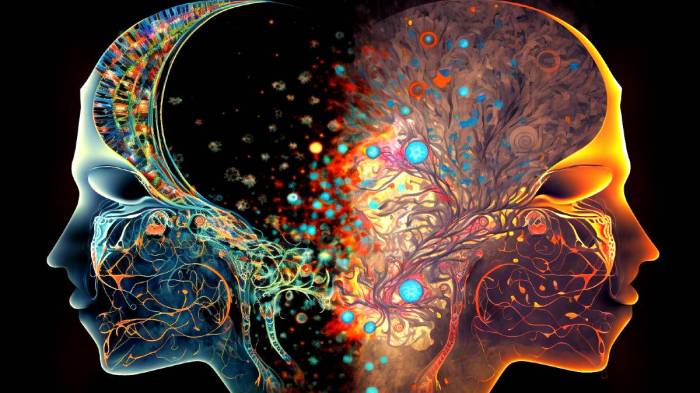
Holistic Health and Mind-Body Connection: This exploration delves into the intricate relationship between our mental and physical well-being, examining how a holistic approach can foster optimal health. We’ll uncover the scientific basis for the mind-body connection, exploring how stress, emotions, and lifestyle choices impact our overall health. This journey will illuminate various holistic practices—from meditation and yoga to nutritional strategies and stress management techniques—and their profound effects on achieving a balanced and fulfilling life.
We will examine the core principles of holistic health, contrasting it with conventional medicine and showcasing diverse practices. The discussion will cover stress management, preventive healthcare within a holistic framework, the role of technology in supporting well-being, and the importance of wellness coaching in achieving long-term health improvements. Finally, we will explore current trends and research in holistic health, providing a comprehensive overview of this increasingly popular approach to wellness.
Defining Holistic Health
Holistic health emphasizes the interconnectedness of mind, body, and spirit in achieving optimal well-being. It moves beyond treating individual symptoms to address the underlying causes of illness and promote overall balance and harmony within the individual. This approach recognizes that physical health is intricately linked to emotional, mental, and spiritual well-being, and that neglecting any one aspect can negatively impact the others.Holistic health operates on several core principles.
Firstly, it views the individual as a whole, not just a collection of parts. Secondly, it emphasizes self-healing and the body’s innate ability to restore balance. Thirdly, it promotes preventative care, focusing on lifestyle choices that support health and well-being before illness occurs. Finally, it prioritizes the patient-practitioner relationship, fostering collaboration and shared decision-making in the healthcare process.
Holistic Health versus Conventional Medicine
Conventional medicine, also known as allopathic medicine, typically focuses on treating specific diseases or symptoms using pharmaceuticals, surgery, and other interventions. While highly effective in addressing acute illnesses and injuries, it often treats the symptoms without addressing the root causes. In contrast, holistic health takes a more comprehensive approach, seeking to identify and address the underlying factors contributing to illness, including lifestyle, stress levels, emotional well-being, and environmental influences.
Conventional medicine often utilizes a reductionist approach, breaking down complex systems into smaller components for analysis and treatment, while holistic health embraces a more systemic view, recognizing the interplay between different systems within the body and the environment. Both approaches have their strengths and weaknesses, and an integrated approach combining the best of both worlds is often advocated for optimal health outcomes.
Examples of Holistic Health Practices
A wide array of practices fall under the umbrella of holistic health. These practices aim to restore balance and promote overall well-being by addressing the interconnectedness of mind, body, and spirit. Some examples include acupuncture, a traditional Chinese medicine technique involving the insertion of thin needles into specific points on the body to stimulate energy flow; yoga, a system of physical postures, breathing techniques, and meditation designed to improve physical and mental well-being; and meditation, a practice of focusing the mind on a single point of reference to achieve a state of relaxation and mental clarity.
Other examples include naturopathy, which emphasizes natural remedies and lifestyle changes to support the body’s healing processes; chiropractic care, focusing on the diagnosis, treatment, and prevention of musculoskeletal disorders; and massage therapy, which uses manipulation of soft tissues to relieve pain, reduce stress, and improve circulation.
Comparison of Holistic Health Approaches
| Approach | Focus | Techniques | Benefits |
|---|---|---|---|
| Acupuncture | Energy flow, pain management | Needle insertion | Pain relief, stress reduction |
| Yoga | Physical and mental well-being | Postures, breathing, meditation | Improved flexibility, stress reduction, increased mindfulness |
| Meditation | Mental clarity, stress reduction | Focused attention | Reduced anxiety, improved focus, increased self-awareness |
| Naturopathy | Natural healing, lifestyle changes | Herbal remedies, dietary changes, lifestyle counseling | Improved overall health, prevention of disease |
Exploring the Mind-Body Connection
The intricate relationship between our minds and bodies is a cornerstone of holistic health. Understanding this connection is crucial for achieving optimal well-being, as mental and emotional states profoundly influence our physical health, and vice versa. This section explores the scientific basis of this interconnectedness, examining the impact of stress and emotions on physical health and offering practical techniques to strengthen the mind-body link.
Scientific Evidence Supporting the Mind-Body Connection
A substantial body of scientific research supports the existence and significance of the mind-body connection. Neurobiology, psychoneuroimmunology, and behavioral medicine provide converging evidence demonstrating the bidirectional communication pathways between the nervous, endocrine, and immune systems. For instance, studies have shown that chronic stress leads to increased cortisol levels, which can suppress the immune system, making individuals more susceptible to illness.
Similarly, positive emotions and practices like mindfulness have been linked to improved immune function and reduced inflammation. The placebo effect, where a person experiences improvement simply from believing they are receiving effective treatment, further illustrates the powerful influence of the mind on the body’s physiological processes.
Impact of Stress on Physical Health
Stress, a ubiquitous aspect of modern life, significantly impacts physical health. Prolonged exposure to stressors triggers the release of stress hormones like cortisol and adrenaline, initially preparing the body for “fight or flight.” However, chronic stress leads to sustained high levels of these hormones, disrupting various bodily functions. This can manifest as cardiovascular problems (increased blood pressure, heart disease), gastrointestinal issues (irritable bowel syndrome, ulcers), weakened immunity, sleep disturbances, and even accelerated aging.
For example, individuals experiencing chronic workplace stress often exhibit higher rates of hypertension and cardiovascular disease compared to their less stressed counterparts.
Role of Emotions in Disease Development
Emotions are not merely subjective experiences; they have profound physiological effects. Negative emotions like anger, fear, and sadness can trigger inflammatory responses in the body, contributing to the development and progression of various diseases. Conversely, positive emotions like joy, gratitude, and love are associated with reduced inflammation and improved overall health. Research suggests a link between suppressed emotions and the development of psychosomatic illnesses, where psychological distress manifests as physical symptoms.
For example, unresolved grief can contribute to cardiovascular problems, while chronic anxiety may exacerbate autoimmune conditions.
Techniques for Strengthening the Mind-Body Connection
Cultivating a strong mind-body connection is achievable through various techniques. Regular practice of these methods can enhance overall well-being and resilience.
- Mindfulness Meditation: This practice involves focusing on the present moment without judgment, fostering self-awareness and reducing stress.
- Yoga: Combining physical postures, breathing techniques, and meditation, yoga promotes relaxation, flexibility, and stress reduction.
- Deep Breathing Exercises: Conscious, deep breathing activates the parasympathetic nervous system, promoting relaxation and reducing physiological arousal.
- Progressive Muscle Relaxation: This technique involves systematically tensing and releasing different muscle groups to alleviate muscle tension and promote relaxation.
- Spending Time in Nature: Exposure to natural environments has been shown to reduce stress hormones and improve mood.
Holistic Health Practices
Holistic health emphasizes the interconnectedness of mind, body, and spirit in achieving overall well-being. Various practices aim to cultivate this balance, addressing not just symptoms but underlying causes of imbalance. These practices often involve a combination of lifestyle changes and specific techniques designed to promote physical, mental, and emotional health.
Many holistic practices have ancient roots, evolving over centuries based on traditional knowledge and practices. Their increasing popularity reflects a growing recognition of the limitations of solely focusing on physical symptoms in healthcare. The following section explores some prominent holistic health practices, examining their mechanisms and comparing their effectiveness in stress reduction.
Yoga and its Mechanisms for Well-being
Yoga, encompassing physical postures (asanas), breathing techniques (pranayama), and meditation, promotes physical fitness, flexibility, and stress reduction. The physical postures strengthen muscles, improve balance, and increase range of motion. Pranayama regulates the nervous system, reducing anxiety and promoting relaxation. Meditation cultivates mindfulness and reduces stress hormones like cortisol. Studies have shown that regular yoga practice can lower blood pressure, improve sleep quality, and enhance overall mental well-being.
The combination of physical activity, controlled breathing, and mental focus synergistically contributes to a holistic approach to health.
Meditation and its Effects on Stress Reduction
Meditation involves focusing the mind on a single point of reference, such as the breath or a mantra, to quiet mental chatter and promote relaxation. Different meditation techniques, including mindfulness meditation, transcendental meditation, and guided imagery, offer diverse approaches to achieve this mental stillness. The mechanisms through which meditation reduces stress involve lowering cortisol levels, reducing activity in the amygdala (the brain region associated with fear and anxiety), and increasing activity in the prefrontal cortex (associated with emotional regulation).
Research indicates that regular meditation practice can significantly reduce stress, anxiety, and depression symptoms.
Acupuncture and its Role in Promoting Well-being
Acupuncture, a cornerstone of Traditional Chinese Medicine (TCM), involves inserting thin needles into specific points on the body, known as acupoints. TCM theory posits that these points lie along meridians, energy pathways that influence the flow of qi (vital energy). By stimulating these points, acupuncture aims to restore balance and promote the body’s natural healing processes. While the precise mechanisms remain under investigation, research suggests that acupuncture may influence the nervous system, endocrine system, and immune system, leading to pain relief, reduced inflammation, and improved overall well-being.
Studies have shown its effectiveness in managing various conditions, including chronic pain, anxiety, and nausea.
Comparative Effectiveness of Holistic Practices for Stress Reduction, Holistic Health and Mind-Body Connection
Different holistic practices offer varying approaches to stress reduction. Yoga’s physical component might be particularly beneficial for individuals who prefer active stress management, while meditation’s focus on mental stillness suits those who find relaxation through quiet contemplation. Acupuncture may be more effective for individuals experiencing chronic pain or specific physical symptoms related to stress. The optimal choice depends on individual preferences, needs, and the nature of the stress experienced.
A combination of practices may offer synergistic benefits for comprehensive stress management.
Benefits and Drawbacks of Holistic Therapies
| Therapy | Benefits | Potential Drawbacks | Considerations |
|---|---|---|---|
| Yoga | Improved flexibility, strength, stress reduction, improved sleep, increased mindfulness | Potential for injury if not practiced correctly, may not be suitable for individuals with certain medical conditions | Find a qualified instructor, listen to your body |
| Meditation | Reduced stress and anxiety, improved focus and concentration, enhanced emotional regulation | May require consistent practice to experience benefits, some individuals may find it challenging to quiet their minds | Start with short sessions, explore different techniques |
| Acupuncture | Pain relief, reduced inflammation, improved immune function, treatment of various health conditions | Potential for bruising or discomfort at needle insertion sites, effectiveness varies among individuals | Choose a licensed acupuncturist, discuss any medical conditions |
Nutrition and Diet in Holistic Health
Holistic health emphasizes the interconnectedness of mind, body, and spirit. Nutrition plays a pivotal role in this interconnectedness, profoundly influencing not only physical health but also mental clarity, emotional stability, and overall well-being. A holistic approach to nutrition recognizes that food is more than just fuel; it’s a source of energy, vital nutrients, and a powerful tool for promoting balance and harmony within the entire being.A well-nourished body is better equipped to handle stress, fight off illness, and maintain optimal function.
Conversely, poor dietary choices can contribute to a cascade of negative effects, impacting everything from energy levels and mood to cognitive function and susceptibility to chronic diseases. Therefore, understanding the role of nutrition within a holistic framework is crucial for achieving and maintaining optimal health.
Diets Supporting Holistic Health Principles
Several dietary approaches align with holistic health principles, prioritizing whole, unprocessed foods and mindful eating practices. These diets emphasize nutrient density, minimizing processed foods, refined sugars, and unhealthy fats. Examples include the Mediterranean diet, characterized by its abundance of fruits, vegetables, whole grains, legumes, nuts, and olive oil; and the plant-based diet, which focuses on fruits, vegetables, legumes, and whole grains, while minimizing or eliminating animal products.
Another example is the Ayurvedic diet, which tailors dietary choices to individual constitution (dosha) to promote balance and well-being. These diets are not strict regimes but rather flexible guidelines adaptable to individual needs and preferences.
Guidelines for Creating a Balanced and Nutritious Meal Plan
Creating a balanced and nutritious meal plan involves focusing on a variety of nutrient-rich foods. This means incorporating a wide range of colors, textures, and flavors to ensure a comprehensive intake of vitamins, minerals, and phytonutrients. Prioritizing whole, unprocessed foods is paramount, as they retain their natural nutrients and fiber. Mindful eating, paying attention to hunger and fullness cues, is essential to avoid overeating and promoting a healthy relationship with food.
Furthermore, staying hydrated by drinking plenty of water throughout the day supports overall bodily functions and nutrient absorption. Regular meal timing can also help regulate blood sugar levels and prevent energy crashes.
Sample Weekly Meal Plan
This sample meal plan emphasizes whole foods and mindful eating. It is a suggestion and should be adjusted based on individual needs, preferences, and any dietary restrictions.
| Day | Breakfast | Lunch | Dinner |
|---|---|---|---|
| Monday | Oatmeal with berries and nuts | Quinoa salad with roasted vegetables | Lentil soup with whole-wheat bread |
| Tuesday | Greek yogurt with fruit and granola | Leftover lentil soup | Baked salmon with steamed broccoli and brown rice |
| Wednesday | Smoothie with spinach, banana, and almond milk | Salad with chickpeas, avocado, and a lemon vinaigrette | Chicken stir-fry with brown rice |
| Thursday | Scrambled eggs with whole-wheat toast and avocado | Leftover chicken stir-fry | Vegetarian chili with cornbread |
| Friday | Whole-wheat pancakes with fruit | Tuna salad sandwich on whole-wheat bread | Pizza with whole-wheat crust, vegetables, and low-fat cheese |
| Saturday | Breakfast burrito with eggs, black beans, and salsa | Leftover pizza | Homemade vegetable curry with brown rice |
| Sunday | French toast made with whole-wheat bread | Salad with grilled chicken or tofu | Roast chicken with roasted potatoes and green beans |
Stress Management Techniques
Stress is an unavoidable part of modern life, but its chronic presence significantly impacts our holistic well-being. Effective stress management is crucial for maintaining physical and mental health, and a holistic approach considers the interconnectedness of mind, body, and spirit. This section explores several techniques that can be integrated into a daily routine for optimal stress reduction.
Mindfulness Meditation for Stress Reduction
Mindfulness meditation involves focusing on the present moment without judgment. Regular practice cultivates awareness of thoughts, feelings, and sensations without getting carried away by them. This detachment allows for a reduction in the intensity of stress responses. Studies have shown that mindfulness meditation can decrease cortisol levels (the stress hormone) and improve emotional regulation. For example, a study published in JAMA Internal Medicine demonstrated significant reductions in stress and anxiety among participants who engaged in an 8-week mindfulness-based stress reduction program.
The practice involves finding a quiet space, assuming a comfortable posture, and focusing on the breath, body sensations, or a mantra. Consistent practice, even for short periods (5-10 minutes), can yield noticeable benefits.
Importance of Adequate Sleep and Rest in Stress Management
Sleep deprivation exacerbates stress and weakens the body’s ability to cope with stressors. During sleep, the body repairs and restores itself, including the nervous system. Adequate sleep allows for emotional regulation and improved cognitive function, both essential for effective stress management. For instance, individuals consistently sleep-deprived are more prone to irritability, anxiety, and difficulty concentrating, making them more susceptible to stress.
Aiming for 7-9 hours of quality sleep each night is crucial. This involves creating a relaxing bedtime routine, ensuring a dark and quiet sleep environment, and avoiding caffeine and alcohol before bed.
Implementing a Daily Stress-Reduction Routine
A structured daily routine can significantly enhance stress management. Consistency is key to building healthy habits.
- Morning Mindfulness: Begin the day with 5-10 minutes of mindfulness meditation or deep breathing exercises. This sets a calm and focused tone for the day.
- Physical Activity: Incorporate at least 30 minutes of moderate-intensity exercise most days of the week. Physical activity releases endorphins, which have mood-boosting effects. This could be a brisk walk, yoga, or any activity you enjoy.
- Mindful Breaks: Throughout the day, take short breaks to engage in mindful activities such as stretching, deep breathing, or simply observing your surroundings. These breaks help to interrupt the stress response cycle.
- Healthy Diet: Consume a balanced diet rich in fruits, vegetables, and whole grains. Avoid excessive caffeine and processed foods, which can exacerbate stress.
- Evening Relaxation: Dedicate at least 30 minutes before bed to relaxing activities such as reading, taking a warm bath, or listening to calming music. Avoid screen time close to bedtime.
Holistic Health and Technology
Technology’s integration into healthcare has revolutionized how we approach well-being, offering innovative tools and resources that support and enhance holistic health practices. This synergy between ancient wisdom and modern technology allows for a more personalized and accessible path towards optimal health.The increasing availability of health-focused technology provides individuals with unprecedented opportunities to actively manage their physical and mental well-being.
This empowers individuals to take a proactive role in their health journey, moving beyond passive reliance on traditional healthcare models.
Health Apps and Wearable Devices for Well-being
Many apps and wearable devices are designed to support various aspects of holistic health. These tools offer data-driven insights and personalized guidance, contributing to a more comprehensive understanding of one’s health status.
- Meditation and Mindfulness Apps: Apps like Calm and Headspace offer guided meditations, mindfulness exercises, and sleep stories, promoting stress reduction and mental clarity – key components of holistic well-being.
- Fitness Trackers and Smartwatches: Devices such as Fitbit and Apple Watch monitor activity levels, sleep patterns, heart rate, and other vital signs, providing valuable data for individuals to track their progress towards fitness goals and overall health improvement.
- Nutrition and Diet Tracking Apps: MyFitnessPal and Lose It! allow users to track their food intake, calculate macronutrients, and receive personalized dietary recommendations, supporting healthy eating habits crucial for holistic health.
Selecting Reliable Health Technology Tools
Choosing reliable health technology requires careful consideration of several factors. Prioritizing data security, user reviews, and evidence-based functionalities ensures that the chosen tools are both effective and trustworthy.
- Data Privacy and Security: Verify the app or device’s privacy policy to ensure the protection of personal health information. Look for features like data encryption and secure storage practices.
- User Reviews and Ratings: Consult independent reviews and ratings from other users to gauge the app’s or device’s usability, accuracy, and overall effectiveness.
- Evidence-Based Features: Prefer apps and devices that utilize evidence-based methods and algorithms, ensuring the information and recommendations provided are grounded in scientific research.
- Integration with Healthcare Providers: Some apps and devices offer seamless integration with healthcare professionals, allowing for better communication and collaborative care.
Technology’s Role in Accessing Holistic Healthcare Resources
Technology has significantly expanded access to holistic healthcare resources, breaking down geographical barriers and making diverse practices more readily available.Telehealth platforms offer virtual consultations with holistic practitioners, including naturopaths, acupuncturists, and yoga instructors. Online resources, such as educational websites and informational videos, provide accessible learning materials on various holistic health practices, empowering individuals to take control of their health journey.
Furthermore, online communities and support groups foster a sense of connection and shared experience, strengthening the social support network integral to holistic well-being.
Health Blogs, Tips, and Guides
Creating engaging and informative content for a health blog focused on holistic well-being requires a blend of compelling storytelling, practical advice, and reliable information. A successful blog should resonate with readers, providing them with actionable steps to improve their overall health and wellness. This involves understanding your target audience and tailoring content to their specific needs and interests.
Engaging and Informative Blog Content
Effective health blogs combine expert knowledge with relatable experiences. Posts should be well-structured, using clear headings, subheadings, and bullet points to improve readability. Incorporating visuals, such as infographics or short videos, can enhance engagement. Personal anecdotes or case studies can add a human touch and make the information more relatable. Maintaining a consistent posting schedule helps build a loyal readership.
Finally, always prioritize accuracy and cite credible sources to build trust and authority.
Compelling Healthy Living Tips
A collection of practical, actionable tips can significantly impact a reader’s journey toward holistic well-being. These tips should be easily integrated into daily routines and offer tangible benefits.
- Prioritize sleep: Aim for 7-9 hours of quality sleep per night to support physical and mental restoration.
- Incorporate mindful movement: Engage in activities you enjoy, such as yoga, walking, or dancing, for at least 30 minutes most days of the week.
- Practice gratitude: Regularly reflect on things you’re thankful for to cultivate a positive mindset.
- Connect with nature: Spend time outdoors to reduce stress and improve mood. Studies have shown that even brief exposure to nature can have a positive impact on mental well-being.
- Hydrate consistently: Drink plenty of water throughout the day to support bodily functions and overall health.
Simple Nutrition Guide: Whole Foods and Mindful Eating
This guide emphasizes consuming nutrient-rich, unprocessed foods while cultivating a mindful approach to eating. Mindful eating involves paying attention to your body’s hunger and fullness cues, savoring each bite, and eating without distractions.
Focus on Whole Foods:
- Fruits and vegetables: Aim for a variety of colors and types.
- Lean proteins: Choose sources like fish, poultry, beans, and lentils.
- Whole grains: Opt for brown rice, quinoa, oats, and whole-wheat bread.
- Healthy fats: Include avocados, nuts, seeds, and olive oil.
Mindful Eating Practices:
- Eat slowly and savor each bite.
- Pay attention to your body’s hunger and fullness cues.
- Eat without distractions (e.g., TV, phone).
- Choose a calm and peaceful environment for meals.
Benefits of Yoga: A Holistic Practice
Yoga, an ancient practice originating in India, offers a multitude of benefits extending beyond physical flexibility. It integrates physical postures (asanas), breathing techniques (pranayama), and meditation to promote holistic well-being.
Physical Benefits: Increased flexibility, strength, balance, and improved cardiovascular health. Regular yoga practice can help alleviate chronic pain and improve posture.
Mental Benefits: Reduced stress and anxiety, improved mood, increased self-awareness, and enhanced focus and concentration. Studies have shown that yoga can be an effective tool for managing stress and promoting mental clarity.
Spiritual Benefits: Yoga fosters a deeper connection with oneself and the present moment, promoting inner peace and a sense of well-being. It encourages self-reflection and personal growth.
Wellness Coaching and Holistic Health
Wellness coaching plays a vital role in supporting individuals on their journey towards holistic health. It goes beyond simply addressing physical symptoms; it integrates mental, emotional, and spiritual well-being to create a comprehensive approach to health and wellness. A wellness coach acts as a guide and partner, empowering individuals to take ownership of their health and make sustainable lifestyle changes.Wellness coaches work collaboratively with clients to identify their health goals, overcome obstacles, and develop personalized action plans.
They provide support, accountability, and motivation, helping clients to integrate healthy habits into their daily lives. This holistic approach acknowledges the interconnectedness of mind, body, and spirit, and addresses all aspects of well-being to promote lasting positive change.
The Role of a Wellness Coach in Supporting Holistic Health Goals
A wellness coach acts as a facilitator, helping clients clarify their health goals and develop strategies to achieve them. They provide a non-judgmental and supportive environment where clients can explore their beliefs, behaviors, and challenges related to their health. Coaches help clients identify their strengths and resources, and develop coping mechanisms for stress and other obstacles. They also assist in creating personalized action plans that are realistic, achievable, and sustainable.
This might involve setting specific, measurable, achievable, relevant, and time-bound (SMART) goals, tracking progress, and adjusting strategies as needed. Ultimately, the coach empowers the client to become their own health advocate and make informed decisions about their well-being.
Key Qualities of an Effective Wellness Coach
Effective wellness coaches possess a blend of professional skills and personal qualities. They are empathetic listeners who create a safe and trusting environment. They are skilled at asking powerful questions that encourage self-reflection and insight. Furthermore, effective coaches are knowledgeable about various holistic health practices and can provide resources and guidance. They are also skilled in motivational interviewing techniques, helping clients identify their intrinsic motivation and overcome resistance to change.
Accountability is another key quality; they help clients stay committed to their goals and track their progress. Finally, they maintain ethical boundaries and respect client autonomy, empowering clients to make their own choices.
Strategies for Finding a Qualified Wellness Coach
Finding a qualified wellness coach requires careful consideration. Begin by identifying your specific health goals and the type of coaching support you need. Then, research potential coaches through online directories, professional organizations, or referrals from healthcare providers. Check their credentials, experience, and certifications. Review client testimonials and look for coaches who have experience working with clients with similar goals.
Schedule consultations with several coaches to determine if their coaching style and approach align with your needs and preferences. A good coach-client relationship is crucial for success, so choosing someone you feel comfortable and connected with is essential.
How Wellness Coaching Contributes to Long-Term Health Improvements
Wellness coaching provides a structured and supportive approach to achieving long-term health improvements. By addressing the interconnectedness of mind, body, and spirit, it promotes holistic well-being. The personalized plans and consistent support from a coach help individuals develop sustainable healthy habits that extend beyond the coaching period. This integrated approach can lead to improved physical health, reduced stress levels, increased self-awareness, and enhanced overall quality of life.
The empowerment and self-efficacy gained through coaching can lead to lasting changes in behavior and lifestyle, contributing to significant long-term health benefits. For example, a client struggling with chronic stress might learn stress-reduction techniques through coaching, leading to improved sleep, reduced blood pressure, and a greater sense of well-being long after the coaching program concludes.
Ultimately, embracing a holistic approach to health involves a conscious commitment to nurturing the mind-body connection. By integrating practices that promote physical, mental, and emotional well-being, individuals can cultivate resilience, enhance their quality of life, and proactively manage their health journey. This holistic perspective empowers individuals to take an active role in their well-being, fostering a harmonious balance between mind and body for a healthier, more fulfilling life.
FAQs: Holistic Health And Mind-Body Connection
What are the potential drawbacks of holistic health practices?
While generally safe, some holistic practices may not be suitable for everyone, and certain approaches may interact with medications. It’s crucial to consult with a healthcare professional before starting any new holistic therapy, especially if you have pre-existing health conditions.
How can I find a qualified holistic practitioner?
Look for practitioners with relevant certifications and experience. Check online reviews and seek recommendations from trusted sources. Verify their credentials and ensure they are licensed or certified in their respective fields.
Is holistic health covered by insurance?
Insurance coverage for holistic practices varies widely depending on the specific practice, your insurance plan, and your location. Some insurance providers may cover certain therapies, while others may not. It’s essential to check with your insurance provider directly to determine your coverage.
How long does it take to see results from holistic practices?
The timeframe for noticing benefits varies greatly depending on the specific practice, individual factors, and consistency of application. Some individuals may experience immediate improvements, while others may require a more extended period to see significant changes.


