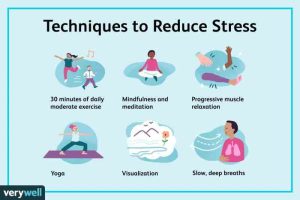
Mind-Body Connection Benefits Holistic Wellness
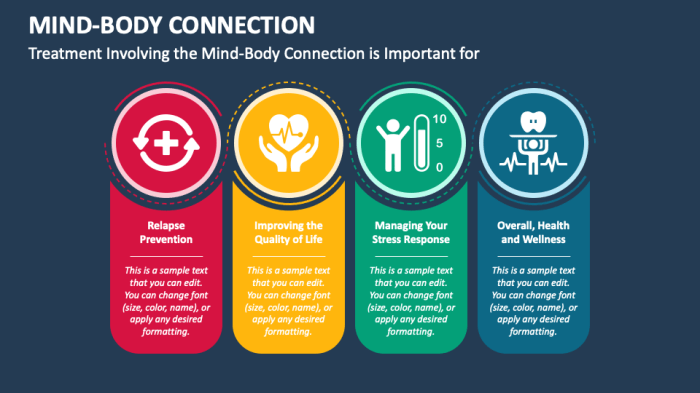
Mind-Body Connection Benefits extend far beyond simple relaxation; they represent a profound shift in understanding health and well-being. This approach recognizes the intricate interplay between our thoughts, emotions, and physical bodies, highlighting how mental and emotional states directly influence our physical health. Exploring this connection unveils powerful strategies for stress management, disease prevention, and overall enhancement of life quality.
We will delve into the scientific evidence supporting this holistic perspective, examining various practices and their impact on both mental and physical health.
From ancient traditions to modern scientific research, the evidence consistently demonstrates the significant role of the mind-body connection in achieving optimal health. Understanding this relationship empowers individuals to take proactive steps toward improving their well-being, utilizing techniques such as mindfulness, yoga, and positive self-talk to manage stress, enhance resilience, and cultivate a healthier, more fulfilling life. This exploration will provide practical tools and strategies for integrating these beneficial practices into daily routines.
Defining Mind-Body Connection
The mind-body connection refers to the intricate and dynamic interplay between our mental and emotional states and our physical health. It acknowledges that the mind isn’t separate from the body, but rather deeply intertwined, influencing each other constantly. This bidirectional relationship means that our thoughts, feelings, and beliefs can significantly impact our physical well-being, and conversely, our physical health can affect our mental and emotional state.This interconnectedness is not a new concept.
Throughout history, various cultures have recognized the profound link between mental and physical health. However, modern science is increasingly providing evidence to support this ancient wisdom, offering a deeper understanding of the physiological mechanisms that underpin this relationship. This understanding allows for more holistic approaches to healthcare, moving beyond treating symptoms to addressing the root causes of illness, which often involve both mind and body.
Examples of Thoughts and Emotions Influencing Physical Health
Stress, for instance, is a prime example of the mind-body connection in action. Chronic stress triggers the release of cortisol and other stress hormones, which, over time, can lead to various health problems, including high blood pressure, weakened immunity, digestive issues, and even cardiovascular disease. Similarly, negative emotions like anxiety and depression are linked to increased inflammation throughout the body, potentially contributing to chronic pain, autoimmune disorders, and other conditions.
Conversely, positive emotions like joy and gratitude have been shown to boost the immune system and promote overall well-being. For example, studies have demonstrated that individuals with a strong sense of purpose and social connection tend to live longer and healthier lives.
Perspectives on the Mind-Body Connection from Various Fields
The mind-body connection is explored from diverse perspectives across various disciplines.
Psychology’s Perspective
Psychology emphasizes the role of thoughts, beliefs, and behaviors in shaping health outcomes. Cognitive Behavioral Therapy (CBT), for example, helps individuals identify and modify negative thought patterns and behaviors that contribute to physical ailments. Psychologists often focus on the impact of stress management techniques, mindfulness practices, and emotional regulation strategies on physical health.
Medicine’s Perspective
Medicine is increasingly acknowledging the importance of the mind-body connection. The field of psychosomatic medicine specifically studies the interaction between psychological factors and physical illness. Doctors are recognizing the need for a holistic approach, integrating psychological interventions into treatment plans for various medical conditions. For example, incorporating stress-reduction techniques into the management of cardiovascular disease has shown promising results.
Spirituality’s Perspective
Spiritual practices often emphasize the interconnectedness of mind, body, and spirit. Many spiritual traditions advocate for practices such as meditation, yoga, and prayer, which aim to cultivate inner peace and harmony, leading to improved physical and mental well-being. These practices often focus on cultivating a sense of purpose and meaning in life, which has been shown to have positive effects on health.
For example, studies have shown a correlation between regular meditation and reduced blood pressure.
Mind-Body Connection and Holistic Health
The mind-body connection is not merely a philosophical concept; it’s a fundamental principle underpinning holistic health. Understanding this interconnectedness allows us to approach well-being in a comprehensive manner, addressing the mental, emotional, and physical aspects of our existence simultaneously. This integrated approach recognizes that these facets are intricately interwoven and influence each other profoundly.Mind-body practices contribute significantly to holistic health by fostering a state of equilibrium across these dimensions.
They offer tools to manage stress, improve physical function, and enhance emotional resilience, ultimately promoting a sense of overall well-being that transcends the mere absence of disease. This approach differs significantly from conventional medicine, which often focuses on treating specific symptoms or diseases in isolation.
Mind-Body Practices and Holistic Health Outcomes
Mind-body techniques, such as yoga, meditation, tai chi, and mindfulness-based stress reduction (MBSR), offer various pathways to holistic health. These practices cultivate a sense of self-awareness, allowing individuals to recognize and address the interplay between their thoughts, feelings, and physical sensations. This enhanced awareness often leads to improved stress management, better sleep quality, increased energy levels, and a strengthened immune system.
For instance, studies have shown that regular yoga practice can reduce symptoms of anxiety and depression, while meditation has been linked to improvements in blood pressure and heart rate variability. These are just a few examples of the numerous benefits observed across various mind-body interventions.
Comparison of Mind-Body Connection with Conventional Medical Approaches
Conventional medicine primarily focuses on diagnosing and treating diseases using pharmacological interventions, surgery, or other technological means. While undeniably effective in addressing acute illnesses and injuries, this approach often overlooks the crucial role of the mind and emotions in overall health. Mind-body practices, conversely, offer a complementary approach by emphasizing the interconnectedness of mind and body. They aim to empower individuals to take an active role in their health maintenance and disease prevention through self-regulation techniques and lifestyle modifications.
This difference is not about one approach being superior; rather, it’s about recognizing the value of an integrated approach that combines the strengths of both conventional and complementary medicine. For example, a patient with chronic back pain might benefit from physical therapy (conventional) alongside mindfulness meditation (mind-body) to manage pain and improve coping mechanisms.
A Wellness Plan Integrating Mind-Body Techniques
A comprehensive wellness plan incorporating mind-body techniques should be personalized to individual needs and preferences. However, a sample plan might include:
Daily mindfulness practice (10-15 minutes): This could involve focusing on the breath, body sensations, or sounds.
Weekly yoga or tai chi sessions (60-90 minutes): These practices improve flexibility, strength, and balance while reducing stress.
Regular meditation sessions (20-30 minutes, 3-5 times per week): This helps cultivate inner peace and emotional regulation.
Prioritizing sufficient sleep (7-9 hours per night): Adequate sleep is essential for physical and mental restoration.
Engaging in enjoyable physical activities (at least 30 minutes most days): This could include walking, swimming, dancing, or other activities that promote movement and enjoyment.
Mindful eating practices: Paying attention to hunger and fullness cues and savoring meals without distractions.
This integrated approach acknowledges the profound influence of lifestyle choices on overall health and promotes a holistic, sustainable path towards well-being. The effectiveness of such a plan depends on consistent practice and mindful integration into daily life.
Mind-Body Connection and Specific Health Conditions
The intricate relationship between our minds and bodies significantly influences our overall health and well-being, particularly in managing various health conditions. Understanding this connection allows us to develop more holistic and effective approaches to treatment and self-care. This section explores the impact of the mind-body connection on specific health challenges, highlighting the potential benefits of integrating mind-body techniques into healthcare strategies.
Mind-Body Connection and Chronic Pain Management
Chronic pain, a pervasive health issue, often involves a complex interplay of physical and psychological factors. The mind-body connection plays a crucial role in the experience and management of chronic pain. Psychological factors such as stress, anxiety, and depression can exacerbate pain perception, while negative thought patterns and beliefs can amplify the experience of pain. Conversely, positive coping mechanisms, relaxation techniques, and a sense of control can significantly reduce pain intensity and improve overall quality of life.
Mindfulness-based interventions, for example, help individuals to become more aware of their bodily sensations without judgment, fostering a more balanced and less reactive response to pain. Cognitive behavioral therapy (CBT) helps identify and modify unhelpful thoughts and behaviors contributing to pain perception and distress. Furthermore, techniques like progressive muscle relaxation and guided imagery can reduce muscle tension and promote relaxation, thereby alleviating pain.
Stress and its Impact on the Immune System: Coping Mechanisms
Stress, a ubiquitous aspect of modern life, significantly impacts the immune system. Prolonged or severe stress triggers the release of stress hormones like cortisol, which initially enhances immune function but, with chronic exposure, suppresses it. This suppression can leave individuals more vulnerable to infections, autoimmune diseases, and other health problems. Effective stress management is crucial for maintaining immune health.
Coping mechanisms include regular exercise, which has been shown to boost immune function and reduce stress hormone levels. Mindfulness practices, such as meditation and yoga, promote relaxation and reduce stress reactivity. Sufficient sleep is also paramount; consistent sleep deprivation weakens the immune system and increases susceptibility to illness. Building strong social connections provides emotional support and buffers against the negative impacts of stress.
Finally, engaging in enjoyable hobbies and activities helps manage stress levels and promotes a sense of well-being.
Mind-Body Techniques for Anxiety and Depression
Anxiety and depression, prevalent mental health conditions, often benefit from mind-body interventions. These techniques address both the psychological and physiological aspects of these disorders. Mindfulness-based stress reduction (MBSR) and mindfulness-based cognitive therapy (MBCT) have shown efficacy in reducing symptoms of anxiety and depression. These programs teach individuals to cultivate present moment awareness and observe their thoughts and feelings without judgment, fostering emotional regulation and reducing rumination.
Yoga, combining physical postures, breathing techniques, and meditation, promotes relaxation, reduces stress hormones, and improves mood. Deep breathing exercises activate the parasympathetic nervous system, counteracting the physiological effects of anxiety and promoting calmness. Regular physical activity releases endorphins, natural mood boosters that alleviate symptoms of depression and anxiety. Furthermore, techniques like progressive muscle relaxation can reduce physical tension associated with anxiety, leading to a greater sense of overall relaxation and well-being.
Integrating Mind-Body Practices into Daily Life
Integrating mind-body practices into a busy lifestyle can seem daunting, but even small, consistent efforts can yield significant benefits. The key is to find practices that fit seamlessly into your daily routine, rather than adding extra pressure. By viewing these techniques not as chores but as opportunities for self-care and stress reduction, you’ll be more likely to stick with them.
Incorporating Mindfulness into a Busy Schedule, Mind-Body Connection Benefits
Mindfulness, the practice of paying attention to the present moment without judgment, can be cultivated even with limited time. Start small and gradually increase your practice as you become more comfortable. Consistency is key, not duration.
- Start with short, focused sessions: Begin with just 5 minutes of mindfulness meditation each day. Focus on your breath, body sensations, or sounds around you. Use a guided meditation app if it helps.
- Incorporate mindfulness into existing activities: Practice mindful eating by paying attention to the taste, texture, and smell of your food. Engage in mindful walking, noticing the sensation of your feet on the ground and the sights and sounds around you.
- Use mindfulness breaks throughout the day: When feeling stressed or overwhelmed, take a few moments to focus on your breath. Even 30 seconds can make a difference. This can be done at your desk, while waiting in line, or anywhere you can find a quiet moment.
- Set reminders: Use your phone or computer to set reminders throughout the day to practice mindfulness. This will help you stay consistent and create a habit.
- Be patient and kind to yourself: Mindfulness is a skill that takes time and practice to develop. Don’t get discouraged if your mind wanders. Gently redirect your attention back to your chosen focus.
Managing Stress Through Simple Breathing Exercises
Simple breathing exercises are a powerful tool for managing stress and promoting relaxation. These techniques can be practiced almost anywhere, anytime, requiring minimal time and effort.
- Diaphragmatic breathing (belly breathing): Lie down or sit comfortably. Place one hand on your chest and the other on your belly. Inhale deeply through your nose, allowing your belly to rise while your chest remains relatively still. Exhale slowly through your mouth, feeling your belly fall. Repeat for 5-10 minutes.
- Box breathing: Inhale slowly to a count of four, hold your breath for a count of four, exhale slowly to a count of four, and hold your breath for a count of four. Repeat for several minutes. This technique is particularly helpful in calming the nervous system.
- Alternate nostril breathing (Nadi Shodhana): Use your right thumb to close your right nostril and inhale through your left nostril. Close your left nostril with your right ring finger and exhale through your right nostril. Inhale through your right nostril, close your right nostril, and exhale through your left. Continue for several minutes. This technique can help balance the energy flow in the body.
Resources for Learning and Practicing Mind-Body Techniques
A wealth of resources is available to support your journey in learning and practicing mind-body techniques. These resources offer guided meditations, educational materials, and community support.
- Apps: Calm, Headspace, Insight Timer, Ten Percent Happier
- Books: Wherever You Go, There You Are by Jon Kabat-Zinn, Mindfulness for Beginners by Jon Kabat-Zinn, The Power of Now by Eckhart Tolle
- Websites: Mindful.org, UCLA Mindful Awareness Research Center
The Role of Technology in Supporting Mind-Body Connection
The increasing accessibility of technology has significantly impacted our approach to wellness, offering innovative tools to support and enhance mind-body practices. From meditation apps to wearable fitness trackers, technology provides convenient and often personalized pathways to cultivate a stronger mind-body connection. This section will explore how these technological advancements contribute to holistic well-being, alongside acknowledging their limitations.Technology offers various avenues for fostering a stronger mind-body connection.
Health apps and wearable devices provide readily available resources for mindfulness exercises, guided meditations, and biofeedback training. These tools often incorporate personalized programs, adapting to individual needs and progress, thereby maximizing their effectiveness. Furthermore, online communities and virtual support groups connect individuals with like-minded peers, fostering a sense of belonging and shared experience in their wellness journeys.
This social interaction complements the individual practices, adding another layer to the mind-body connection.
Health Technology and Apps Facilitate Mind-Body Practices
Numerous apps offer guided meditations, breathing exercises, and yoga routines, catering to various experience levels and preferences. These apps often incorporate features such as progress tracking, personalized recommendations, and ambient soundscapes to enhance the user experience and encourage consistent practice. Wearable devices, such as smartwatches and fitness trackers, monitor physiological data like heart rate variability and sleep patterns, providing valuable insights into the user’s stress levels and overall well-being.
This objective data can motivate individuals to prioritize mind-body practices and track their progress over time. For example, the Calm app provides a wide range of guided meditations and sleep stories, while apps like Headspace offer mindfulness courses and personalized programs. Wearable devices like the Apple Watch or Fitbit provide real-time feedback on heart rate, activity levels, and sleep quality, enabling users to monitor their physical and mental state.
Benefits and Limitations of Using Technology for Wellness
The benefits of using technology for wellness are numerous. Accessibility is a key advantage; apps and wearable devices can be accessed anytime, anywhere, making mind-body practices more convenient and integrated into daily life. Personalization is another significant benefit; many apps offer tailored programs based on individual needs and preferences. Finally, technology facilitates tracking and monitoring of progress, providing tangible evidence of improvement and motivation to continue.
However, limitations exist. Over-reliance on technology can lead to a decreased sense of self-awareness and a diminished capacity for independent practice. The potential for inaccurate data from wearable devices and the lack of personal interaction in online communities are also noteworthy concerns. Furthermore, the digital divide can exclude certain populations from accessing these beneficial technologies.
Design of a Hypothetical Mobile Application Promoting Mind-Body Wellness
Imagine a mobile application called “Inner Harmony,” designed to cultivate mind-body wellness through a holistic approach. The app would feature guided meditations tailored to different needs (stress reduction, sleep improvement, focus enhancement), personalized yoga and stretching routines, breathing exercises with real-time biofeedback (using phone camera and AI analysis of facial expressions for subtle changes), and a journal for users to record their experiences and reflections.
The app would also incorporate a social component, allowing users to connect with others, share their progress, and participate in challenges. A key feature would be integration with compatible wearable devices to provide a comprehensive view of the user’s physiological data, creating a personalized feedback loop to encourage consistent practice. Gamification elements, such as points and badges for completing activities, would further motivate users.
Finally, the app would offer educational resources on mind-body connection, providing a deeper understanding of the principles behind the practices.
Mind-Body Connection and Health Trends
The burgeoning field of mind-body medicine reflects a growing recognition of the intricate relationship between our thoughts, emotions, and physical health. Current health trends increasingly emphasize proactive, holistic approaches that integrate mental and physical well-being, moving beyond a purely biomedical model of healthcare. This shift is driven by both accumulating scientific evidence and a rising public awareness of the profound impact of stress, emotional regulation, and mindfulness on overall health outcomes.The integration of mind-body practices into mainstream healthcare is accelerating, fueled by advancements in neuroscience, psychology, and related fields.
This progress is not only improving our understanding of the mechanisms underlying the mind-body connection but also leading to the development of innovative therapies and interventions. The future of healthcare increasingly involves personalized approaches that consider the unique mind-body interplay in each individual.
Mindfulness-Based Interventions and Their Growing Prevalence
Mindfulness-based interventions (MBIs), such as mindfulness meditation and yoga, are experiencing a surge in popularity and clinical application. Research consistently demonstrates their efficacy in managing a wide range of conditions, including chronic pain, anxiety disorders, and depression. For instance, studies have shown that regular mindfulness practice can reduce inflammation markers in the body, suggesting a direct physiological impact.
The increasing availability of mindfulness apps and online resources further contributes to the widespread adoption of these practices. Furthermore, many healthcare systems are integrating MBIs into their treatment plans, reflecting their growing recognition as valuable therapeutic tools.
The Rise of Digital Therapeutics and Personalized Mind-Body Approaches
Technological advancements are revolutionizing the delivery and personalization of mind-body interventions. Digital therapeutics, utilizing apps and wearable technology, offer convenient and accessible tools for stress management, sleep improvement, and emotional regulation. These platforms often incorporate biofeedback, allowing users to monitor their physiological responses to stress and learn techniques to manage them effectively. For example, apps can track heart rate variability, providing real-time feedback on stress levels and guiding users through relaxation exercises.
This personalized approach allows individuals to tailor their mind-body practices to their specific needs and preferences, enhancing engagement and effectiveness. The future likely holds even more sophisticated digital tools capable of providing tailored interventions based on individual physiological data and mental health profiles.
Emerging Research on the Gut-Brain Axis and its Implications
The gut-brain axis, the bidirectional communication pathway between the gut microbiome and the brain, is a rapidly expanding area of research with significant implications for mind-body medicine. Emerging evidence highlights the crucial role of gut health in mental and emotional well-being. For example, studies have linked imbalances in gut microbiota to conditions like anxiety and depression. This research underscores the importance of a holistic approach to health, recognizing the interconnectedness of different bodily systems and their impact on mental health.
Future research will likely focus on developing targeted interventions to modulate the gut microbiome and improve mental health outcomes. For instance, dietary changes or the use of probiotics could be explored as potential therapeutic strategies.
Mind-Body Connection in Different Cultures
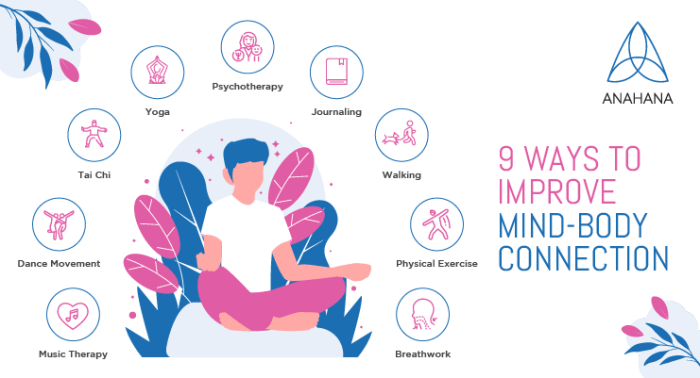
The understanding and practice of the mind-body connection are not confined to a single culture or time period. Instead, a rich tapestry of traditions across the globe demonstrates the inherent human recognition of the interplay between mental, emotional, and physical well-being. Examining these diverse approaches reveals fascinating similarities and differences in philosophies and techniques, highlighting the universality of this fundamental concept.The historical context of mind-body approaches varies significantly across societies.
While Western medicine historically emphasized a separation of mind and body, many non-Western traditions have long integrated these aspects into their healing systems. This integration often stems from holistic worldviews that view the individual as intrinsically connected to their environment and spiritual realm.
Traditional Chinese Medicine and the Mind-Body Connection
Traditional Chinese Medicine (TCM) offers a prime example of a holistic system deeply rooted in the mind-body connection. Central to TCM is the concept of Qi, or vital energy, which flows through the body along meridians. Imbalances in Qi, often stemming from emotional stress or lifestyle factors, are believed to manifest as physical ailments. Acupuncture, a cornerstone of TCM, aims to restore the flow of Qi by stimulating specific points along these meridians, thereby addressing both the physical symptoms and their underlying emotional roots.
Other practices within TCM, such as Tai Chi and Qigong, also focus on cultivating and balancing Qi through mindful movement and meditation, further emphasizing the interconnectedness of mind and body.
Ayurveda and the Mind-Body Connection
Ayurveda, the traditional Indian system of medicine, also emphasizes the intricate relationship between the mind and body. It posits that health is a state of balance among three fundamental energies or doshas – Vata, Pitta, and Kapha. Imbalances in these doshas, often caused by lifestyle choices, stress, or emotional disturbances, can lead to physical and mental health issues.
Ayurvedic treatments aim to restore this balance through various techniques, including dietary adjustments, herbal remedies, yoga, and meditation. These practices address not only the physical symptoms but also the underlying emotional and mental factors contributing to the imbalance. For example, stress management techniques are crucial in balancing Vata dosha, known for its association with anxiety and nervous energy.
Indigenous Healing Practices and the Mind-Body Connection
Numerous indigenous cultures worldwide have developed sophisticated healing systems that deeply integrate the mind and body. Many of these practices involve rituals, ceremonies, and shamanic healing, where the spiritual realm plays a significant role in addressing illness. For instance, some indigenous communities use storytelling and singing as therapeutic tools, believing that these practices can restore emotional balance and promote physical healing.
The use of sacred plants and natural remedies is often combined with spiritual practices to address the root causes of illness, emphasizing the interconnectedness of the physical, emotional, and spiritual aspects of well-being. These traditions often highlight the importance of community support and social connection in the healing process, demonstrating the broader societal context within which mind-body practices are embedded.
Addressing Misconceptions about Mind-Body Connection
The mind-body connection, while increasingly recognized by science and medicine, still faces several persistent misconceptions. These misunderstandings often stem from a reductionist view of health, separating mental and physical well-being into distinct categories. Addressing these inaccuracies is crucial for promoting a holistic understanding of health and encouraging individuals to actively engage in practices that support their overall well-being.Misconceptions about the mind-body connection often hinder individuals from seeking appropriate support and adopting beneficial practices.
Clarifying these inaccuracies allows for a more comprehensive approach to health management, recognizing the interconnectedness of mental and physical states. This understanding empowers individuals to make informed decisions regarding their health and wellness.
Mind-Body Connection is “Just” Placebo Effect
The effectiveness of mind-body practices is sometimes dismissed as simply a placebo effect. While the placebo effect plays a role in many therapeutic interventions, attributing the entire impact of mind-body techniques to it is an oversimplification. Numerous studies using rigorous methodologies have demonstrated the physiological changes associated with practices like meditation, yoga, and mindfulness. For example, research consistently shows that meditation can alter brainwave activity, reduce cortisol levels (a stress hormone), and boost immune function, effects that go beyond a simple placebo response.
These measurable physiological changes provide strong evidence for the genuine impact of these practices on physical health.
Mind-Body Techniques are Only for “Stress Relief”
While stress reduction is a significant benefit, the applications of mind-body techniques extend far beyond this. These practices have demonstrated efficacy in managing a wide range of health conditions, including chronic pain, cardiovascular disease, and certain autoimmune disorders. For instance, studies have shown that mindfulness-based stress reduction (MBSR) can significantly reduce pain intensity and improve functional capacity in individuals with chronic pain conditions.
Similarly, research indicates that yoga can improve cardiovascular health by lowering blood pressure and improving heart rate variability. The therapeutic potential of these techniques is vast and extends beyond simple stress management.
Mind-Body Practices Require Extensive Time Commitment
A common misconception is that incorporating mind-body practices requires a significant time commitment, preventing many from even attempting them. However, even short, regular practices can yield substantial benefits. For example, even five minutes of daily mindfulness meditation can help reduce stress and improve focus. Many techniques can be easily integrated into daily routines, such as incorporating mindful breathing during work breaks or practicing gentle stretching exercises before bed.
The key is consistency, not necessarily duration. Small, regular practices are more effective than infrequent, lengthy sessions.
Mind-Body Connection is Only Relevant to Certain Personality Types
The notion that mind-body practices are only suitable for certain individuals – those who are naturally calm, flexible, or spiritually inclined – is inaccurate. These techniques are adaptable and accessible to people of all ages, backgrounds, and personalities. Modifications and variations exist to accommodate different physical abilities and preferences. For example, chair yoga is designed for individuals with limited mobility, while guided meditations cater to those who find it challenging to meditate independently.
The benefits are broadly applicable and achievable regardless of personality type or physical limitations.
Ultimately, understanding and harnessing the power of the mind-body connection offers a transformative path to improved health and well-being. By integrating mindful practices into daily life and cultivating a positive mindset, individuals can significantly reduce stress, enhance resilience, and promote overall holistic health. The journey towards a healthier, more balanced life begins with recognizing the profound and inseparable link between our minds and bodies—a connection that holds the key to unlocking our full potential for wellness.
Essential FAQs: Mind-Body Connection Benefits
What are some common misconceptions about the mind-body connection?
Common misconceptions include believing it’s solely “woo-woo” or unscientific, or that it’s only helpful for minor issues, not serious illnesses. In reality, substantial research supports its efficacy in various health conditions.
Can the mind-body connection help with serious illnesses?
While not a replacement for conventional medicine, mind-body techniques can be valuable complements in managing symptoms, improving quality of life, and potentially influencing disease progression for various serious illnesses, often by enhancing coping mechanisms and reducing stress.
Is it too late to start practicing mind-body techniques if I’m already experiencing health problems?
It’s never too late. Mind-body techniques can benefit individuals at any stage of health, offering tools for managing existing conditions and improving overall well-being. Consult with your healthcare provider to determine the best approach for your specific circumstances.